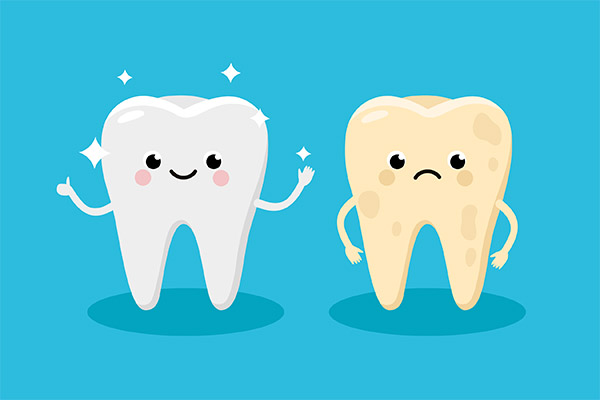
 General dentistry focuses on keeping your mouth healthy, preventing oral problems like tooth decay and gum disease. Brushing twice a day and flossing daily are the foundation of good oral hygiene. A quality mouthwash provides an additional layer of protection.
Oral bacteria cause most of the problems that develop in your mouth. Tooth decay is caused by these microorganisms converting sugars in the mouth into acids that destroy teeth, while gum disease develops when the same bacteria infect tissues underneath the gums.
The role of mouthwash in general dentistry
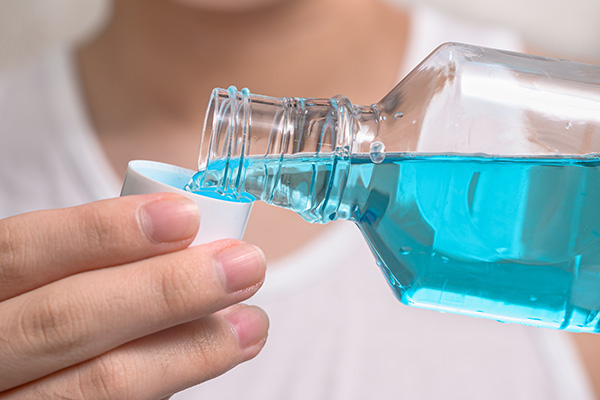
Mouthwash helps to clean areas brushing and flossing miss, and it can provide therapeutic benefits like helping to re-mineralize teeth. General dentistry typically does not recommend mouthwash for children under six since they might accidentally swallow the product, leading to issues like vomiting or intoxication due to the alcohol content of some mouth rinses.
The two main types of mouthwash are therapeutic and cosmetic. The latter often comes with a pleasant taste, and it helps to freshen the user’s breath. Therapeutic mouthwashes contain chemicals that provide specific benefits to the user. For example, an antibacterial mouthwash targets the germs that cause tooth decay and gum disease, while a fluoride mouthwash can help to protect teeth against decay. Some of the active ingredients that can be found in therapeutic mouthwashes include:
- Peroxide: Peroxide helps to whiten teeth
- Fluoride: This helps to re-mineralize teeth and protect them against decay
- Essential oils: Essential oils help to protect teeth against the formation of plaque and gum disease
- Chlorhexidine: Chlorohexidine provides plaque control
- Cetylpyridinium chloride: This kills the type of bacteria that causes bad breath
As beneficial as the use of mouthwash can be, it should not be used as a standalone way to clean teeth and gums. Brushing and flossing are the most effective way to get rid of the nasty things in the mouth that can damage teeth and gums, like sugars left over from meals, bacteria, and plaque.
Flossing helps to clean the parts of the mouth that were missing during brushing and flossing sessions. A therapeutic mouthwash provides specific benefits that help to keep the patient’s mouth healthy. That makes choosing the right mouthwash just as important as using one in the first place.
Therapeutic mouthwashes are available over-the-counter, and a dentist can prescribe stronger mouth rinses if needed. For example, a dentist might prescribe an antibiotic mouth rinse for patients with gum disease to help manage the infection.
It starts with good dental hygiene
Brushing twice a day, flossing once daily, and using mouthwash are often all it takes to prevent common dental problems like tooth decay and gum disease. There is no way to eliminate all the bacteria in your mouth, but you can deny them the sugars they need to form plaque and acids that damage teeth. Cleaning your mouth also removes acids and plaque on your teeth, minimizing the damage done. Want more oral hygiene tips? Call or visit our East Point to schedule a consultation with our dentist.
Request an appointment or call J.D. Murray DDS & Associates at 404-410-2526 for an appointment in our East Point office.
Recent Posts
General dentistry helps prevent, diagnose, and treat a wide range of dental issues, like tooth decay and gum disease. General dentists are the most common types of dentists, and they spend most of their time performing preventative treatments.Many patients have oral health questions for general dentists. Here are the answers to the most frequently asked…
General dentistry focuses on preventative treatments, but it includes using dental cosmetics like veneers to restore or enhance the appearance of teeth. A veneer is a tooth-shaped restoration that is cemented to the front part of a tooth. It covers up any imperfections, damages, or deformities on that part of the tooth. Veneers started out…
General dentistry allows people to seek dental treatments from someone who knows them well. It is important to give an accurate diagnosis. This is possible with the use of dental X-rays. If you want to know if dental X-rays are advisable in general dentistry, here are the details.Decades ago, a dental X-ray was a long…