Overcoming Dental Anxiety with Sedation Dentistry
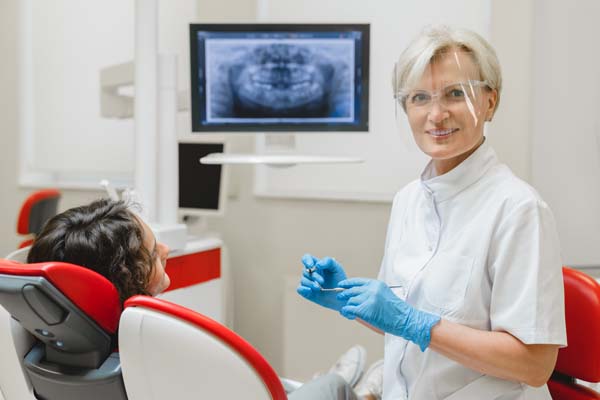
While some fear around dental procedures is natural, dental anxiety can prevent even the most basic routine dental visits and cleanings. Fortunately, sedation dentistry provides a calming solution that allows you to feel relaxed and comfortable during dental treatment. By addressing fear and stress in the dental chair, dentists who use sedation techniques can help individuals receive essential dental care without fear and distress.
Understanding dental anxiety
Dental anxiety can range from mild uneasiness to severe phobia. For many individuals, this fear stems from past negative experiences, fear of pain, or even embarrassment about oral health. Common symptoms include nervousness, restlessness, sweating, rapid heartbeat, or feelings of panic before and during dental appointments. These reactions may cause individuals to avoid treatment entirely, which can lead to worsening oral health issues over time.
Sedation dentistry is specifically designed to alleviate these challenges by creating a calmer, more reassuring environment. Whether for routine cleanings or complex procedures, sedation techniques help patients overcome barriers that anxiety may create.
What sedation dentistry involves
Sedation dentistry uses medication to promote relaxation during dental procedures. The goal is not to induce sleep. Rather, these methods allow patients to achieve a state of calm, minimizing stress and discomfort. Levels of sedation can vary depending on the needs of the patient, what the dentist is trained to administer, and the complexity of the treatment. The most common forms of sedation dentistry include:
- Nitrous oxide: Colloquially referred to as "laughing gas," this sedation option involves inhaling a safe gas that produces feelings of relaxation. The effects wear off quickly, allowing the patient to resume their normal activities soon after the appointment.
- Oral sedation: This pre-treatment medication provides a deeper sense of calm. While patients remain awake, they feel drowsy and less aware of the procedure.
- IV sedation: This option is administered directly into the patient's bloodstream, offering a stronger level of sedation for long or complex procedures. Patients remain conscious but relaxed with little memory of the treatment.
Regardless of the sedation dentistry method used, the dental team will monitor the patient during the procedure to ensure their safety and comfort.
Ideal candidates for sedation dentistry
Sedation dentistry can benefit a wide variety of patients. Ideal candidates include:
- Individuals with intense dental fear
- Individuals who require extensive restorative care
- Individuals with physical conditions or higher medical needs
- Individuals who need multiple procedures done in a single visit
By reducing discomfort and stress, sedation dentistry allows dental professionals to effectively administer comprehensive, high-quality care.
Additional benefits of sedation dentistry
Sedation dentistry offers advantages that extend far beyond easing fear. Fostering a relaxing atmosphere allows dentists to perform treatments more efficiently. This reduces the need for frequent appointments and minimizes the overall time spent in the dental chair.
For patients with a strong gag reflex, sensitive teeth, or difficulty sitting still, sedation provides an additional benefit by making treatment more manageable. Individuals who experience more discomfort during cleanings or restorative work can receive care without unnecessary strain.
Furthermore, sedation dentistry encourages consistent dental visits, which can contribute to long-term oral health. Patients who avoid appointments due to anxiety are more likely to pursue preventive care, reducing their risk of severe dental issues in the future.
Sedation dentistry and safety
Safety remains a top priority when using any form of sedation dentistry. Dental professionals thoroughly review medical histories, current medications, and overall health conditions before recommending the most suitable option. During the procedure, the dental team will closely monitor the patient to ensure they remain comfortable throughout the procedure.
A key part of the patient's safety is selecting the right sedation method tailored to their needs. Additionally, open communication between the dentist and patient helps establish trust, and all of their concerns are addressed before treatment begins.
Building long-term confidence in dental care
Skipping appointments can lead to oral health problems that require more complex treatments later. Sedation dentistry breaks this cycle by making time in the dental chair less intimidating. By creating a reassuring atmosphere, sedation can help patients rebuild their confidence in professional dental care. Over time, repeated positive experiences can gradually reduce their overall anxiety, making future visits easier even without sedation. This effect can lead to improved long-term oral health and overall well-being.
Learn more about sedation dentistry at our East Point office
Dental anxiety should never stand in your way of getting professional treatment. Sedation dentistry offers a safe and effective solution, reducing fear and encouraging consistent dental care. With this compassionate approach, you can achieve a healthy, confident smile. Call our East Point office today to learn more about how we use sedation dentistry at our practice.
Request an appointment here: https://drjosephmurray.com or call J.D. Murray DDS & Associates at (404) 410-2526 for an appointment in our East Point office.
Check out what others are saying about our dental services on Yelp: Sedation Dentist in East Point, GA.
Recent Posts
There is some fear around the use of dental sedation and sedation use in general, but there are instances when it is necessary. Understanding the reasons why dentists recommend and use sedation can put people at ease. It can also help an individual have informed conversations with a dentist about when such a treatment may…
Dental anxiety can strike weeks before your next appointment. As a result, people with dental phobias often experience feelings of dread whenever the thought of having to go to a dentist creeps into their heads. As a result, people with the condition typically make up excuses to avoid going to the clinic to avoid having…
Dental anxiety is common among patients of all ages. Feelings of fear or anxiousness often come with visiting a dentist due to the unknown or the potential for pain. Thankfully, modern-day medicine and dentistry have allowed for the evolution of anti-anxiety tools to help patients manage and overcome their fears.Dental anxiety, in particular, can be…
Typing dentist near me in your search box can give you a great start. Getting comprehensive oral care from the right dental care professional is the goal. A provider near you will give you easier access to necessary dental treatments. Entering dentist near me in your online search can give you an advantage in your…